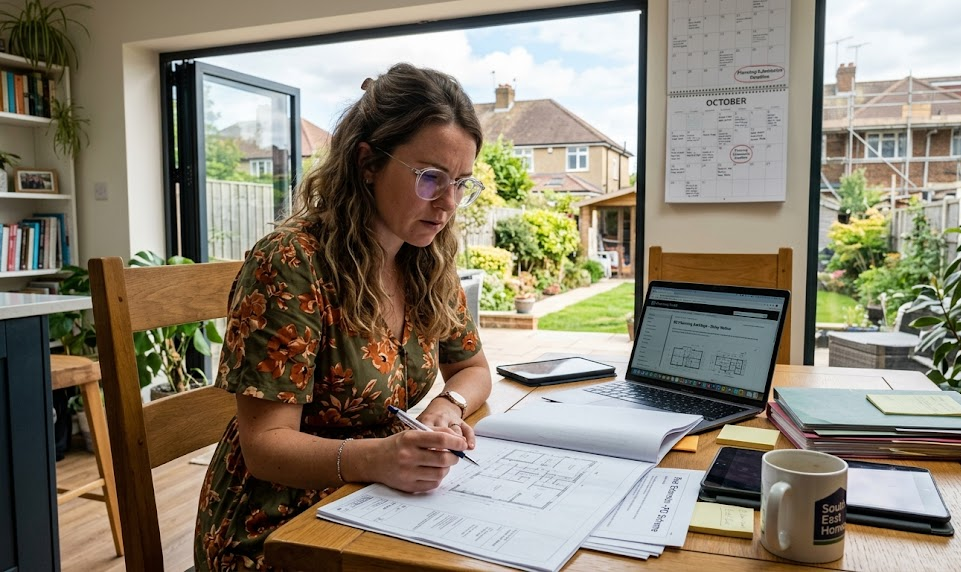
Planning Backlogs Drive South East Homeowners Toward Permitted Development Solutions
South East homeowners are tired of waiting. Local planning offices are overwhelmed, leaving various property dreams stuck in administrative delays. To avoid these delays, more residents are choosing to build without needing traditional planning permission.
Permitted Development rights have been around for a long time, but they are more vital now than ever before. According to GOV.UK, permitted Development rights have become more essential, as only 20% of major planning applications in England were completed within the required 13 weeks in the last quarter of 2025. This backlog has turned simple home improvements into frustrating months-long processes.
If you want to improve your outdoor space, these rights provide an easy way to do it. You can extend your home or add a garden structure by following clear national rules. This lets you skip long council meetings and delays.
This change is helping homeowners in the area make quick and simple improvements instead of using traditional processes that involve a lot of red tape.
At The Dove Dargate, we help you keep up with Kent news, housing insights, and key local developments.
The Planning Backlog Problem Facing South East Councils
Planning departments in the South East are facing serious problems that have become worse in recent years. Councils in Kent, Surrey, Sussex, and Essex have reported a big increase in the number of applications they receive over the last four years. Shortages of staff, budget cuts, and a rise in home improvement projects since the pandemic have led to delays that are not improving.
Right now, the average time to decide a minor planning application in England is well beyond the eight-week target set by law. Some councils in the South East are taking 5-6 months to process even simple residential applications. For homeowners with specific construction schedules, booked contractors, and ordered materials, these delays can cost a lot of money.
As a result, more residents are checking whether their projects can go ahead under PD rules before submitting a formal application.
What Permitted Development Actually Means
Permitted Development (PD) is a set of rights granted by the UK government that allows homeowners to carry out certain building work without needing full planning permission. This applies to houses, not flats or listed buildings, and comes with specific conditions.
The most common structures built under these rights include:
- Garden offices and work studios
- Timber outbuildings and workshops
- Summerhouses and garden rooms
- Home gyms and wellness spaces
- Hobby rooms and art studios
- Hybrid working hubs for remote workers
South East homeowners now focus on these uses when considering their properties. A recent Primethorpe Paving report found that 25% of homeowners planning extensions cite remote working as the reason. This makes garden offices and hybrid working hubs a popular option for permitted development projects.
The rise of flexible working has made garden buildings a necessity for many.
The Rules You Need to Know Before You Build
Permitted development has rules that you must follow. It is not a free-for-all. Knowing these rules before starting a project helps you save time and money and avoid any legal issues.
Rule 1: Height Restrictions
One key rule is about height. A single-storey outbuilding with a dual-pitched roof cannot be taller than four metres. If the roof style differs, the height limit is three metres. If the structure is within 2 metres of a boundary, the maximum height is reduced to 2.5 metres, regardless of the roof style.
Rule 2: Garden Coverage
Another rule is garden coverage. The total area of all outbuildings and extensions mixed cannot cover more than 50% of the land around your original house. This area is calculated based on the property’s footprint as it was when first built or in July 1948, whichever is later.
Rule 3: Curtilage of the Dwelling
The building must also be within the curtilage of the dwelling, which means it must be in the garden or grounds directly attached to the residence. You cannot build structures in front of the main house under these rights.
It is important to note that if you live in designated areas such as Areas of Outstanding Natural Beauty, National Parks, or Conservation Areas, the rules are stricter. It is smart to check with your local council before you start your project.
Navigating the Technical Requirements
Getting the technical information right from the start helps ensure a smooth construction process. This approach reduces the risk of issues later.
Experts in the field suggest that the key to a successful project lies in the quality of the materials and the build precision. According to a spokesperson at Elfords, choosing a building that is crafted specifically for the space ensures that all technical requirements for permitted development are met from the beginning. By working with specialists who understand the local landscape, homeowners can avoid the pitfalls of low-quality kits that may not stand the test of time or comply with regional standards.
Many buyers do not realise how important this is. A building that is not built well or does not comply with development rules could face enforcement action, no matter how long it has been there.
Before You Start, Confirm Your Eligibility
Rules governing building projects can vary depending on the property’s age, location, and any prior planning permissions. Here are some steps to take before starting your project:
- Check the Planning Portal at gov.uk for the latest rules on what you can do with your home.
- Look at your local council’s website to find any Article 4 Directions that might limit what you can build in your area.
- Talk to a planning consultant or specialist supplier who knows about councils and properties in the South East.
You don’t need a Lawful Development Certificate for permitted development, but several homeowners choose to get one. This certificate confirms that your project follows the rules and can be helpful if you plan to sell your home later.
Conclusion
Homeowners in the South East do not have to wait for planning backlogs. Permitted Development offers a clear and quick way to start your project without the usual delays.
To ensure your build goes smoothly, check the specific rules for your property, confirm your eligibility, and work with a specialist who values quality and durability. By utilising these rights, you can take control of your property goals and make your vision a reality on your own schedule.Have a question or a local story to share? Get in touch with us at The Dove at Dargate.
Related Posts